Explore German Christmas traditions, from advent calendars to Christmas markets and discover how they inspired many Western holiday customs.
Key Takeaways:
- Germany’s Christmas traditions continue to shape how the world celebrates the holiday season, from the centuries-old Christkindlmarkt and advent calendars to the symbolic Christmas tree and candle pyramids that capture the warmth of community and craftsmanship.
- These traditions remind us that the heart of Christmas in Germany lies in connection and meaning, in the thoughtful rituals, shared moments, and simple acts of giving that bring light to the darker months.
- Modern gifting platforms like Giftsenda now carry this spirit across borders, allowing people and companies to share authentic, meaningful gifts with recipients in Germany and beyond, keeping the timeless essence of generosity alive in a global world.
Germany is widely recognized as the birthplace of many Christmas traditions that have shaped celebrations around the world. From historic Christkindlmarkts to centuries-old culinary and craft customs, the country’s holiday practices blend history, culture, and community in ways that feel both festive and meaningful. Exploring these traditions often offers insight into how Germans celebrate the season; emphasizing thoughtfulness, connection, and shared experience over commercialism. In this blog, we’ll take a closer look at the customs, symbols, and rituals that define Germany Christmas traditions and continue to inspire celebrations far beyond its borders.
A Season of Meaning, Not Just Merriment
While Christmas in many places has become highly commercial, German customs retain a focus on intention and connection. Traditions such as the Advent wreath, with one candle lit each week before Christmas, encourage reflection and a slower pace amid seasonal activity.
At home, families often bake together, preparing recipes that have been handed down through generations. Dishes like Stollen, Spekulatius, and Vanillekipferl are made not only for enjoyment but also as gifts shared with friends and neighbors. These acts reinforce the sense of community central to the German holiday experience. By emphasizing presence and appreciation, Germany Christmas traditions remind us that celebration can be both joyful and grounded.
Advent and the Countdown
The very structure of the modern festive season is inherited from German holiday traditions. The advent Calendar (Adventskalender), for example, originated in the 19th century when German families created simple ways to help children count the days until Christmas Eve, starting with chalk marks on a door. This practice evolved into the delightful, 24-door countdown filled with chocolate or small gifts, which is now a universal symbol of childhood excitement. Similarly, the Advent Wreath (Adventskranz), with its four candles lit sequentially on the four Sundays preceding Christmas, was a tradition first established by German Lutherans in the 16th century. It created a reflective, weekly family ritual that is now observed in homes and churches globally, marking the slow, deliberate progression toward the holiday.
Decorations and Light
The most iconic symbol of Western Christmas, the decorated tree, finds its genesis in Germany. The tradition of bringing a Christmas Tree (Tannenbaum) into the home and decorating it with lights and ornaments began with devout German Christians in the 16th century, symbolizing life and light during the cold winter. While the concept of an indoor tree was initially met with resistance in some regions, it was popularized internationally by German immigrants and royalty, cementing its status as the defining centerpiece of the holiday. Complementing the tree are distinctive German wooden decorations, such as the elaborate Christmas Pyramid (Weihnachtspyramide). These tiered carousels, which spin using the rising heat of candles, are a spectacular form of German folk art that inspires modern holiday decor, literally creating light and motion in the heart of the home.
Weihnachtsmarkt: The Universal Christmas Market
The Weihnachtsmarkt (“Christmas Market”) is the generic and most widely used term for these festive seasonal gatherings across Germany. Historically, these markets trace their origins back to the late Middle Ages, initially operating more as winter fairs where townspeople could stock up on essential supplies for the coming cold. Today, a Weihnachtsmarkt embodies the essence of the season through its diverse offerings. It’s a place where communities gather to sip Glühwein (mulled wine), enjoy traditional foods like bratwurst and Lebkuchen (gingerbread), and purchase a variety of artisanal goods. The stalls are typically adorned with fir branches, lights, and wooden decorations, collectively creating a spectacle of light and coziness, or Gemütlichkeit, that counteracts the dark winter days.
Christkindlmarkt: A Naming Rooted in Tradition
The Christkindlmarkt (Christ Child Market”) is a term more commonly used in southern Germany (particularly Bavaria) and Austria, and it carries a subtle nod to the religious figure central to the holiday. The Christkind (Christ Child) is a tradition in these regions where an angelic, winged figure, rather than Santa Claus, is the traditional bearer of gifts on Christmas Eve. The use of this name for the market, therefore, emphasizes the celebration of the Nativity. Although the name specifically honors Christkind, the market’s practical structure and offerings, the twinkling stalls, festive music, traditional crafts, and communal feasting, are functionally identical to any Weihnachtsmarkt. It is primarily a regional naming convention that speaks to a specific cultural and religious heritage in those areas.
Sharing Christmas Across Borders
The principles behind Germany Christmas traditions, craftsmanship, gratitude, and connection, have naturally found new life in a global context. Modern holiday gifting platforms allow people to share authentic, meaningful items across countries, extending the same spirit of generosity that defines the season.
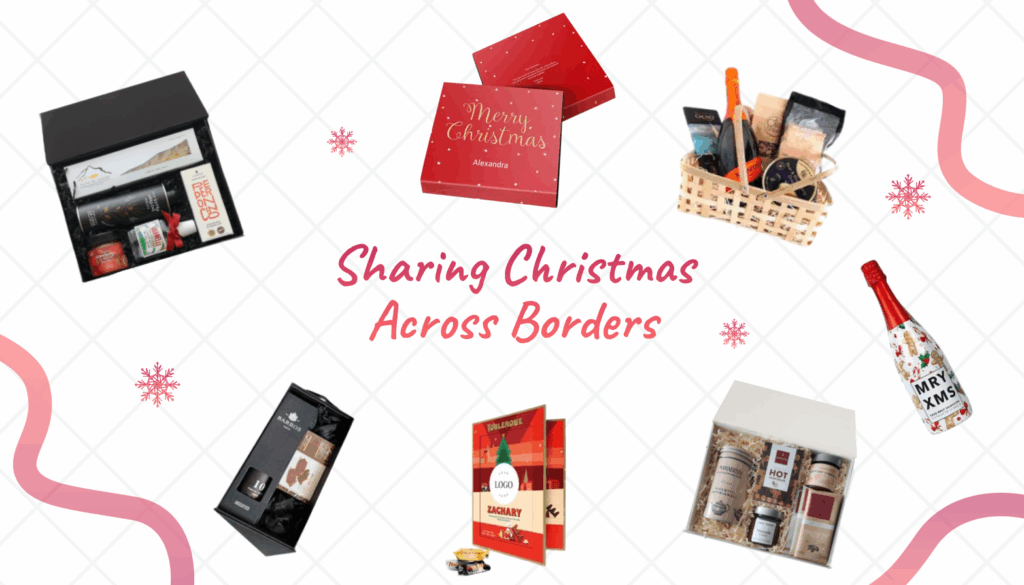
Through digital tools, individuals and businesses can easily send curated gifts such as regional specialties, gourmet foods, or personalized items. This kind of global holiday gifting maintains the personal touch once found in local exchanges but makes it accessible worldwide. In this way, technology supports the same values that have shaped Germany’s celebrations for centuries; bringing people closer through thoughtful gestures, even across distances.
From Market Stalls to Modern Connections
The Christkindlmarkt and Weihnachtsmarkt embody traditions built on authenticity, human connection and qualities that remain just as relevant today as they were years before. Giftsenda translates Germany Christmas traditions and values into the digital age, helping organizations and individuals share gifts globally with the same care once found in face-to-face exchanges.
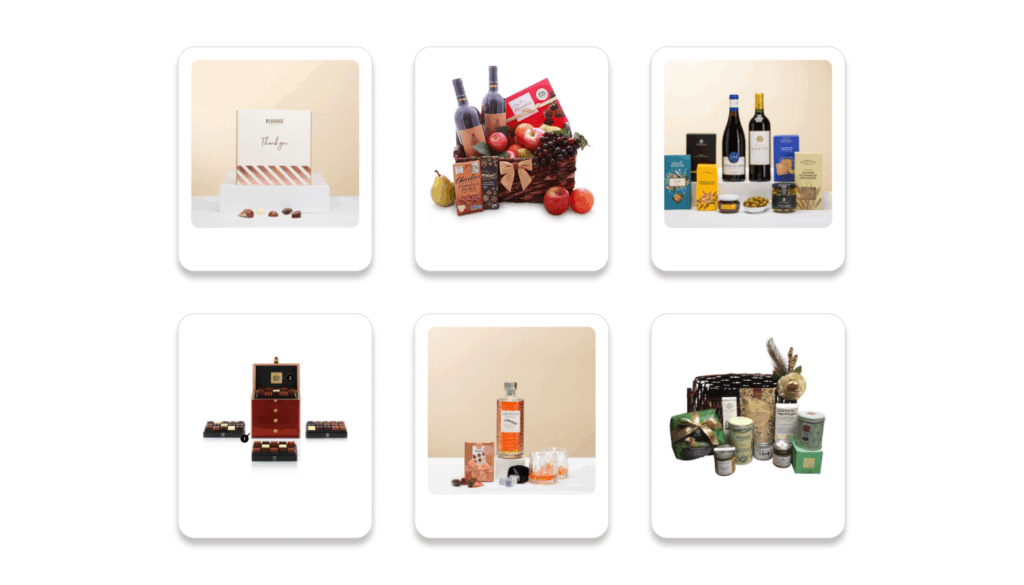
The Giftsenda gifting platform simplifies the process of selecting, sending, and personalizing gifts for recipients anywhere in the world. Whether sharing German-made delicacies, seasonal treats, or universal favorites, Businesses and people alike can maintain genuine connections while scaling their outreach. It is this modern approach to gifting that honors the spirit of old traditions, which is building relationships, showing appreciation, and celebrating shared values across borders.