

Increase Revenue
Turn thoughtful gifts into faster revenue.
Revenue growth is often driven by how effectively a business engages, influences, and motivates its audience. Strategic gifting can create memorable experiences that encourage action and unlock new opportunities and here’s some insight into how your business can do just that.

Every strategy for turning gifts into growth
Jump straight to the play that fits your revenue goal today. Each comes with a 90-day plan you can run.

Driving Conversions Through Strategic Touchpoints

Enhancing Campaign Impact with Swag

Incentivizing Behavior with Rewards

Strengthening High-Value Relationships

Scaling Growth Through Automation

Section 1:
Driving Conversions Through Strategic Touchpoints
Gifting can accelerate decision-making during critical stages of the sales cycle by creating a sense of reciprocity and differentiation. It helps your brand stand out in competitive deal cycles and keeps momentum moving forward.
Example:
A company sends a personalized gift to key decision-makers after a product demo, referencing specific pain points discussed. This keeps the conversation warm and increases the likelihood of closing the deal.
Gifts that would work best:

Post-demo appreciation gifts
Personalized gifts sent after demos to reinforce key discussion points and keep momentum.

Decision-maker tailored gifts
Thoughtful items aligned to stakeholder roles or priorities to build stronger connection.

Deal-stage milestone gifts
Strategic gifting tied to key stages in the sales cycle to maintain engagement.

Pain-point-relevant gifts
Personalized gifts referencing specific challenges discussed to make follow-ups more memorable.
Objective:
Increase conversion rates by introducing thoughtful, well-timed gifting moments throughout the sales cycle to reinforce value and maintain momentum.
A 90-Day Strategy

Days 1-30: Identify Key Moments & Build the Framework
01.
Start by mapping your sales journey to identify where deals typically slow down or drop off. These moments - such as post-demo, proposal stage, or during negotiation - are your highest-impact opportunities for gifting.
02.
Align your sales and marketing teams on when and why gifts will be sent, ensuring they feel intentional rather than random. At this stage, define 2–3 core gifting triggers and match them with relevant gift types that reflect your brand and audience.
Focus: Clarity and consistency. The goal is to ensure every gift has a clear purpose tied to moving the deal forward.
Days 31-60: Launch Targeted Gifting in Active Deals
03.
Begin introducing gifting into live opportunities, focusing on high-value or high-potential prospects. Personalization is critical - reference specific conversations, challenges, or goals discussed during the sales process.
04.
Equip your sales team with simple guidelines so they can confidently send gifts at the right moments without overthinking the process. Monitor how prospects respond, both in terms of engagement and deal progression.
Focus: Relevance and timing. Gifts should feel like a natural extension of the conversation, not a standalone tactic.
Days 61-90: Optimize, Automate & Scale
05.
Review performance across your initial campaigns by looking at response rates, deal velocity, and conversion improvements. Identify which touchpoints and gift types are driving the most impact.
06.
From there, begin standardizing successful approaches and introducing light automation for repeatable moments - such as post-demo follow-ups or proposal-stage nudges - while still allowing room for personalization in high-value deals.
Focus: Efficiency and scale. The aim is to embed gifting into your sales process so it consistently supports revenue growth without adding manual workload.
Expected Outcome
By the end of 90 days, gifting becomes a structured part of your sales motion - helping your team stay top of mind, build stronger relationships, and convert opportunities more effectively in competitive environments.

Section 2:
Enhancing Campaign Impact with Swag

Incorporating branded merchandise into marketing campaigns adds a tangible dimension to your outreach, making messaging more memorable. It increases recall and strengthens emotional engagement with your brand.
Example:
A company launching a new product sends teaser kits to prospects ahead of the launch, including branded items and a preview of the product, building anticipation and engagement.
Gifts that would work best:

Teaser campaign kits
Branded packages sent before a launch to build anticipation and curiosity.

Product preview bundles
Early-access items or samples paired with branded merchandise to create hands-on engagement.

Campaign-themed swag
Merchandise designed around a specific marketing campaign to reinforce messaging.

Prospect engagement kits
Curated outreach boxes combining useful branded items with key product information.
Objective:
Increase campaign engagement, recall, and conversion by integrating high-quality, relevant swag into key marketing initiatives.
A 90-Day Strategy

Days 1-30: Define Campaign Goals & Swag Strategy
01.
Start by identifying which campaigns would benefit most from a physical touchpoint - such as product launches, ABM campaigns, or event follow-ups. Focus on moments where cutting through digital noise is critical.
02.
Select swag that aligns with your audience and campaign message, ensuring it feels intentional and valuable rather than purely promotional. The goal is to create a cohesive experience where the physical item reinforces the story you’re telling.
Focus: Alignment and relevance. Every item should connect directly to the campaign’s purpose and audience.
Days 31-60: Launch & Integrate Swag into Campaigns
03.
Introduce swag into live campaigns as a core component rather than an add-on. Pair physical items with digital touchpoints - such as email, landing pages, or events - to create a multi-channel experience.
04.
Ensure timing is carefully planned so that the swag arrives at a moment that enhances the campaign, such as just before a launch or immediately after a key interaction. This coordination helps amplify impact and keeps your brand top of mind.
Focus: Experience and timing. Swag should feel like part of a journey, not a disconnected gesture.
Days 61-90: Measure Impact & Scale What Works
05.
Evaluate how swag has influenced campaign performance by looking at engagement rates, response rates, and overall campaign effectiveness. Identify which items, formats, and timing drove the strongest results.
06.
Use these insights to refine future campaigns and build repeatable playbooks for integrating swag into your marketing strategy. Begin scaling successful approaches across additional campaigns or audience segments.
Focus: Optimization and consistency. Turn successful swag activations into a repeatable advantage across your marketing efforts.
Expected Outcome
By the end of 90 days, swag becomes a strategic extension of your campaigns - helping your brand stand out, improving engagement, and creating more memorable interactions that drive stronger results.

Section 3:
Incentivizing Behavior with Rewards
Rewards can influence specific actions, such as referrals, upsells, or repeat purchases, by creating a stronger emotional pull than discounts. They encourage participation in programs that directly contribute to revenue growth.
Example:
A referral program offers curated gifts instead of cash incentives, encouraging customers to refer others while associating the brand with a positive, memorable experience.
Gifts that would work best:

Referral gift rewards
Curated gifts given for successful referrals instead of cash incentives.

Behavior-triggered rewards
Gifts tied to specific actions like repeat purchases, upgrades, or referrals.

Milestone-based incentives
Rewards unlocked when customers hit defined engagement or spending thresholds.

Experience-led referral rewards
Memorable gifts like experiences or curated boxes that strengthen emotional association with the brand.
Objective:
Drive specific, revenue-generating actions - such as referrals, upsells, and repeat purchases - by introducing meaningful, experience-driven rewards that motivate and engage your audience.
A 90-Day Strategy

Days 1-30: Define Target Behaviors & Reward Structure
01.
Start by identifying the key actions that have the greatest impact on revenue, whether that’s increasing referrals, encouraging repeat purchases, or driving upgrades. Be specific about what success looks like and how it will be measured.
02.
Design a reward structure that feels compelling and aligned with your audience. Instead of defaulting to discounts or cash, focus on curated gifts or experiences that create a stronger emotional connection and elevate perceived value.
Focus: Intentionality and value. Rewards should feel worth the effort and directly tied to the behavior you want to encourage.
Days 31-60: Launch Targeted Reward Campaigns
03.
Introduce your rewards program to a defined audience segment, ensuring the messaging clearly communicates both the action required and the value of the reward. Simplicity is key and the participants should immediately understand how to engage.
04.
Promote the program across relevant touchpoints, such as email, in-product messaging, or sales interactions, to maximize visibility. Early engagement will help build momentum and validate your approach.
Focus: Clarity and accessibility. The easier it is to participate, the more likely users are to take action.
Days 61-90: Optimize Performance & Expand Reach
05.
Analyze participation rates, conversion impact, and overall ROI to understand which behaviors and rewards are driving the strongest results. Look for patterns in what motivates your audience most effectively.
06.
Refine your reward offerings and begin expanding the program to additional segments or use cases. Where possible, introduce automation to trigger rewards based on completed actions, ensuring consistency and scalability.
Focus: Performance and scalability. Build a system that can grow with your business while continuing to drive meaningful results.
Expected Outcome
By the end of 90 days, rewards become a strategic growth lever - consistently influencing customer behavior, increasing engagement, and contributing directly to revenue through repeatable, high-impact actions.

Section 4:
Strengthening High-Value Relationships
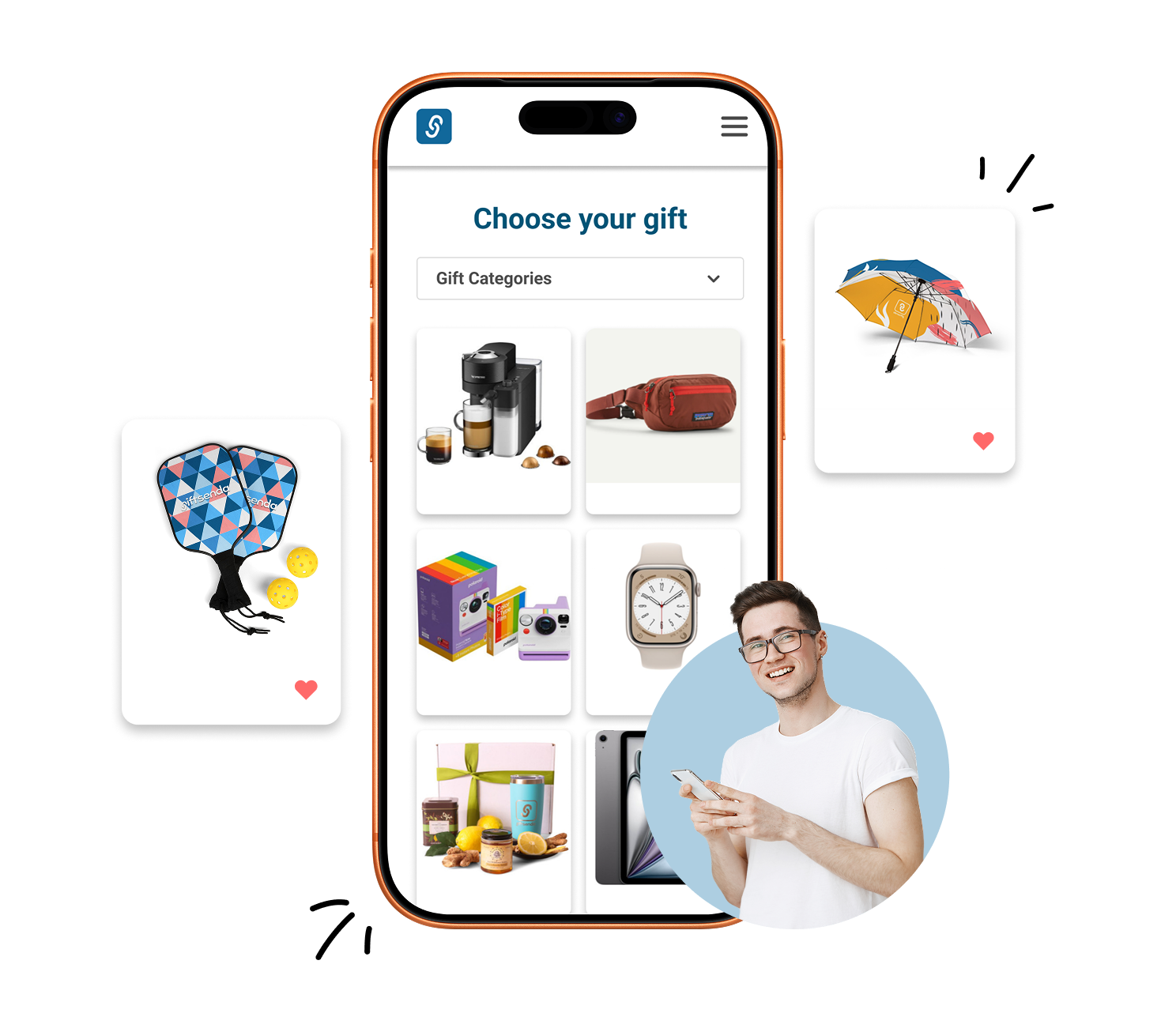
Personalized gifting helps nurture relationships with key accounts, leading to increased spend and long-term partnerships. Thoughtful gifting helps reinforce trust and keeps your brand embedded within key decision-maker relationships.
Example:
An account management team sends tailored holiday gifts based on each client’s preferences, strengthening relationships and opening the door for renewal and upsell conversations.
Gifts that would work best:

Personalized client gifts
Tailored gifts based on client preferences to strengthen key account relationships.

Holiday appreciation gifts
Thoughtful seasonal gifting to stay top-of-mind during important calendar moments.

Account milestone gifts
Gifts tied to renewals, expansions, or partnership anniversaries to reinforce long-term value.

Decision-maker curated gifts
High-touch, personalized gifting aimed at key stakeholders to support retention and upsell conversations.
Objective:
Deepen relationships with key accounts through personalized gifting, increasing retention, expansion opportunities, and long-term customer value.
A 90-Day Strategy

Days 1-30: Identify Key Accounts & Personalization Strategy
01.
Begin by identifying your highest-value accounts based on revenue, growth potential, and strategic importance. Map key stakeholders within each account and gather insights into their preferences, business goals, and engagement history.
02.
Define a personalized gifting approach that goes beyond generic gestures, ensuring each touchpoint reflects an understanding of the individual and their role within the organization.
Focus: Relevance and insight. The more tailored the gesture, the stronger the relationship impact.
Days 31-60: Introduce Thoughtful, Relationship-Building Touchpoints
03.
Start incorporating gifting into your account management cadence at meaningful moments - such as project completions, business milestones, or key seasonal touchpoints. Ensure that each gift is accompanied by a message that reinforces the partnership and acknowledges shared success.
04.
Equip account managers with clear guidelines so gifting feels natural and relationship-driven, rather than transactional or forced.
Focus: Authenticity and timing. Gifts should strengthen the relationship, not feel like a sales tactic.
Days 61-90: Strengthen Engagement & Unlock Growth Opportunities
05.
Evaluate how key accounts are responding to gifting touchpoints, looking at engagement levels, responsiveness, and overall relationship health. Use these insights to refine your approach and double down on what resonates most.
06.
Begin aligning gifting with strategic moments tied to growth - such as renewal discussions, upsell opportunities, or executive engagement - ensuring your brand remains closely connected to decision-makers.
Focus: Depth and expansion. Stronger relationships naturally create more opportunities for growth.
Expected Outcome
By the end of 90 days, gifting becomes a strategic part of your account management approach - helping to build trust, strengthen loyalty, and position your brand as a long-term partner rather than just a provider.

Section 5:
Scaling Growth Through Automation
To fully leverage gifting as a revenue driver, it needs to be scalable and consistent across the customer lifecycle. This ensures timely, relevant touchpoints without adding operational burden.
Example:
A company automates gifting triggers for key moments - such as contract renewals, upsell opportunities, or post-purchase follow-ups - ensuring no revenue opportunity is missed while maintaining a personalized touch.
Gifts that would work best:

Lifecycle-triggered gifting
Automated gifts tied to key stages like onboarding, renewal, and upsell moments.

Event-based automation
Gifting triggered by specific actions such as purchases, contract milestones, or engagement signals.

Scalable campaign workflows
Pre-set gifting journeys that run consistently across the customer base without manual effort.

Revenue-focused trigger gifts
Personalized gifts aligned with commercial opportunities like renewals, expansions, and re-engagement.
Objective:
Embed automated gifting into key stages of the customer lifecycle to drive consistent engagement, improve conversion opportunities, and scale revenue impact without increasing manual workload.
A 90-Day Strategy

Days 1-30: Map Lifecycle & Define Automation Triggers
01.
Start by mapping your full customer journey, from prospecting through to renewal and expansion. Identify the moments where timely engagement can influence outcomes - such as post-demo follow-ups, onboarding milestones, renewal windows, or periods of inactivity.
02.
From there, define a set of clear automation triggers tied to these moments, ensuring each one has a specific purpose and outcome aligned to revenue growth.
Focus: Structure and intention. Automation should be purposeful, not excessive.
Days 31-60: Implement & Test Automated Workflows
03.
Begin rolling out automated gifting workflows across selected lifecycle stages, starting with high-impact moments such as post-purchase or renewal reminders. Ensure each automated touchpoint still feels personal by incorporating dynamic elements like recipient names, company details, or contextual messaging.
04.
Work closely with sales, marketing, and customer success teams to ensure workflows align with existing processes and enhance, not disrupt, the customer experience.
Focus: Balance and experience. Automation should feel seamless and human, not robotic.
Days 61-90: Optimize, Personalize & Expand
05.
Analyze the performance of your automated gifting workflows by tracking engagement, conversion rates, and overall impact on revenue-related metrics. Identify which triggers are driving the strongest results and refine messaging, timing, or gift selection accordingly.
06.
Expand automation to additional lifecycle stages and segments, while introducing deeper personalization for high-value accounts where needed.
Focus: Scale and refinement. Build a system that grows with your business while maintaining relevance.
Expected Outcome
By the end of 90 days, automated gifting becomes a reliable growth engine - ensuring consistent, timely engagement across the customer lifecycle while freeing up your teams to focus on high-value interactions.
Turn gifting into a revenue engine
Send curated, personalized gifts across your funnel - from first demo to renewal - automated when you want it, personal when it matters.